







Search Results for: Ethiopian Origin
Ethiopian Coffee Bean Origin Story and the Starbucks Trademark Dispute, Plus a Look at Front Street Yirgacheffe Flavor Characteristics
Ethiopia is renowned as the birthplace of coffee. With its high altitude and favorable climate, it produces Arabica coffee beans of outstanding quality, which has also attracted the attention of international brands such as Starbucks. From the perspective of Front Street Coffee, this article will review Ethiopia's coffee growing distribution, variety composition, and processing methods, revisit the trademark dispute between Starbucks and the Ethiopian government over the three origin names Sidamo, Harar, and Yirgacheffe, and introduce the taste differences between Front Street's washed and natural Yirgacheffe as well as brewing suggestions, helping coffee enthusiasts gain a more comprehensive understanding of this coffee homeland. [more…]

Arabica Espresso Origin Selection: A Comparison Between Ethiopian SOE and Central & South American SOE
When making espresso SOE with Arabica beans, the choice of origin directly determines the flavor direction of the espresso. Ethiopian SOE and Central-South American SOE are two entirely different paths, each with its own charm, suited to drinkers with different taste preferences. Ethiopian SOE takes the route of intense floral and fruity aromas. Huakui sun-dried beans [more…]
Flavor Characteristics and Health Benefits of Ethiopian Arabica Coffee Beans: From Origin to Cup
Ethiopia is the birthplace of coffee and one of the most important Arabica coffee-producing countries in the world. This article begins with the origin of the coffee tree and reviews Ethiopia's coffee cultivation methods, major producing regions, and product names, including Harrar, Jimma, Sidamo, and Yirgacheffe, while analyzing their flavor characteristics and drinking benefits. Ethiopian coffee has a unique flavor, combining vinous notes and soft acidity with rich layers arising from regional differences. The article also introduces the local distinctive spiced beverage preparation methods, domestic consumption habits, and the coffee export management system, helping coffee enthusiasts gain a comprehensive understanding of the coffee charm of this legendary origin. [more…]
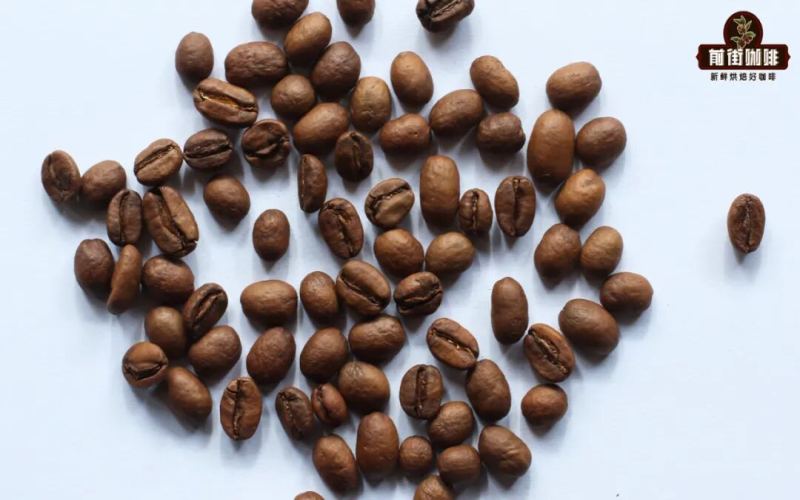
Ethiopian Coffee Beans | Why Do Ethiopian Coffee Beans Vary So Much in Appearance? What Coffee Variety Is the Ethiopian Heirloom Native Species?
"Boss, why are the beans in this bag so uneven in size? Every bean looks so unique..." This is the question customers ask our customer service most often after receiving Ethiopian coffee beans ordered from Front Street's Taobao store. From the picture, we can see that, just as our friends have reported, [more…]

Ethiopian Specialty Coffee | Is Ethiopian Coffee Bean Suitable for Beginners? Recommendations for Medium-Light Roast Pour-Over Single-Origin Beans with Prominent Floral and Fruity Flavors
1. Bright citrus acidity: Front Street Gutingding coffee beans Origin: Yirgacheffe, Gedeo zone Altitude: 1900-2300m Variety: Ethiopian heirloom Processing method: Washed Flavor: Citrus, black tea, caramel, almond, green tea Recommended because: High value for money, you can taste fruit [more…]
Exploring 90+ Specialty Coffee: A Multifaceted Flavor Analysis of Panama Geisha and Ethiopian Heirloom Varieties
Ninety Plus is a highly esteemed brand in the specialty coffee world, renowned for its coffee beans from the Panama Geisha estate and multiple regions in Ethiopia, celebrated for their unique processing methods and richly layered flavors. This article will analyze one by one more than ten Ninety Plus coffee beans recommended by Front Street Coffee, including Juliette, Lotus Solstice, the Horizon series, Ginseng, Clinique, the Nectar series, and more, covering honey processing, natural processing, and patented Solkiln, Red processing, Ruby processing, and other techniques. From origin, harvest season, variety, Level, altitude to processing method and flavor description, it fully presents the individual characteristics of each bean, guiding you to appreciate the splendid expression of Geisha and Ethiopian heirloom varieties in terms of cleanliness, sweetness, fruity aroma, and vinous notes. [more…]

Why Is Ethiopian Coffee Famous Worldwide? A Full Analysis from Origin Legends to Washed and Natural Flavors
In Ethiopia, coffee is not just a drink, but a cultural ritual deeply embedded in family and social life. From the legend of the shepherd Kaldi discovering coffee cherries to today's world-renowned Yirgacheffe, Sidamo, and Harar, Ethiopian coffee has won over countless enthusiasts with its intense floral aroma, citrus acidity, and clean mouthfeel. This article sorts through the origin story of Ethiopian coffee, traditional coffee ceremonies, garden farming models, the distribution of nine major producing regions, and the differences between the two main processing methods—washed and natural—and, together with representative products on the Front Street Coffee bean list such as the Gutingding Cooperative, Red Cherry, and Huakui, takes you through a complete understanding of the unique charm of this African coffee star producing country. [more…]
A Complete Guide to the Ninety Plus Specialty Coffee Bean Series: Flavor Exploration of Geisha and Ethiopian Heirloom Varieties and Future Trends
As a benchmark brand in the specialty coffee world, Ninety Plus is renowned for its rigorous Level grading system and innovative processing methods. This article systematically reviews the full lineup of Ninety Plus beans recommended by Front Street Coffee, covering Juliet, Lotus Solkiln, Prospect, Red Prospect, Prospect Ruby, and Silvia Solkiln from the Panama Geisha estate, as well as Ginseng, Clinique, Nectar, Red Nectar, and Nectar Ruby from the Ethiopian production region. From honey processing and natural processing to the patented Solkiln dense processing, red processing, and ruby processing, each one displays a unique flavor layering. The article fully preserves the origin, harvest season, variety, Level, altitude, processing method, and flavor description of each bean, providing coffee enthusiasts with a detailed tasting guide and, from this, looking ahead to the future direction of specialty coffee. [more…]

In-depth Analysis of the New Season Ethiopian Huakui Coffee Beans: Single-Origin Specialty Flavor from Hambela and Front Street Coffee Roasting Suggestions
Every year, the new-crop Ethiopian Flower Queen captures the attention of many coffee lovers. This sun-dried specialty from the Guji Hambela region, named for its 2017 TOH championship honor, has now become a star among single-origin coffees. This season's Front Street Flower Queen continues the African raised-bed drying process, with fine fermentation under low-temperature conditions, presenting layered notes of floral aromas, red wine, and tropical fruit. Depending on the roast level, a light-to-medium roast preserves elegant floral notes and citrus acidity, making it suitable for pour-over and other atmospheric-pressure brewing methods; a medium roast enhances body and can be used to make SOE and moka pot coffee. This article will comprehensively cover the Flower Queen's origin background, variety characteristics, processing method, and flavor performance, taking you deeper into this bean's unique charm. [more…]

An In-Depth Analysis of Ethiopian Coffee: From Origin Legends to the Two Specialty Regions of Yirgacheffe and Sidamo
Ethiopia is widely recognized as the cradle of specialty coffee, and for centuries it has consistently supplied the world with single-origin coffee beans of outstanding quality. Coffee from this land captivates countless palates with its layered flavors, bright acidity, and delicate floral aromas. What exactly makes Ethiopian coffee so highly regarded? From the shepherd Kaldi's accidental discovery to the Jebena clay pot brewing ritual passed down to this day; from the innovation of Yirgacheffe washed processing to the rich expression of Sidamo natural processing—this article will guide you through the cultural roots, cultivation models, and the unique charm of two representative specialty regions of Ethiopian coffee, along with Front Street Coffee's brewing suggestions for reference. [more…]

The Origin and Flavor Characteristics of Ethiopian Digital Coffee Varieties 74158 and 74110
When purchasing Ethiopian coffee, in addition to the common Heirloom native variety label, in recent years more and more varieties with numerical codes have entered the public eye, such as 74158, 74110, and others. What exactly do these numbers represent? They are closely related to a period of disease-resistant breeding history in the Ethiopian coffee industry. In the 1970s, coffee anthracnose ravaged Ethiopian producing regions, prompting the Jimma Agricultural Research Center to launch a systematic breeding program, selecting from hundreds of samples several varieties that combined disease resistance with excellent flavor. This article will outline the origins of these numerical varieties, their classification logic, the flavor characteristics of their main representatives, and their performance in COE competitions, and will also introduce related products brought in by Front Street Coffee. [more…]
Ethiopian Coffee: A Comprehensive Guide to Origin Grading, Flavor Characteristics, and Local Brands
As the birthplace of coffee, Ethiopia, with its exceptional natural conditions, nurtures a diverse range of high-quality Arabica coffees. From forest and semi-forest to garden cultivation, from washed to natural processing, each coffee carries a unique terroir imprint. This article systematically reviews Ethiopia's coffee cultivation models, processing methods, grading and quality control systems, provides detailed flavor profiles and annual production of six renowned regions, and includes contact information for trade-related institutions and associations. Meanwhile, the selection of Ethiopian beans recommended by Front Street Coffee will also offer purchasing references for enthusiasts. [more…]
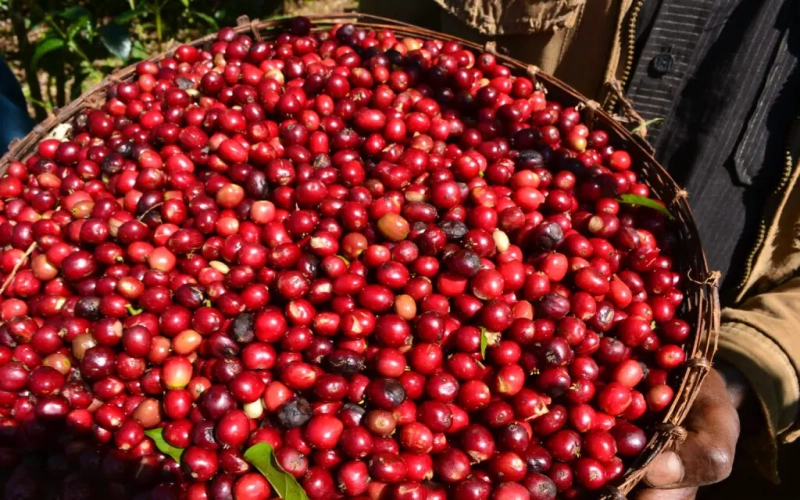
The Origin of African Coffee: A Comprehensive Analysis of Ethiopian Coffee Bean Origins, Processing Methods, and Grading Systems
Ethiopia is the birthplace of Arabica coffee and the world's fifth-largest Arabica producer, known for coffees with bright, citrus-like acidity and a tea-like sweet finish. This article systematically covers Ethiopia's coffee-growing regions, its three main cultivation models, the two major processing methods of washed and natural, the G1 to G9 grading and quality control system, and the evolution of the coffee export trade. It also draws on Front Street Coffee's cupping experience to help readers understand the crisp flavors Ethiopian beans display at light-to-medium roasts, as well as the stylistic differences between washed and natural Yirgacheffe and the basis for choosing between them. [more…]
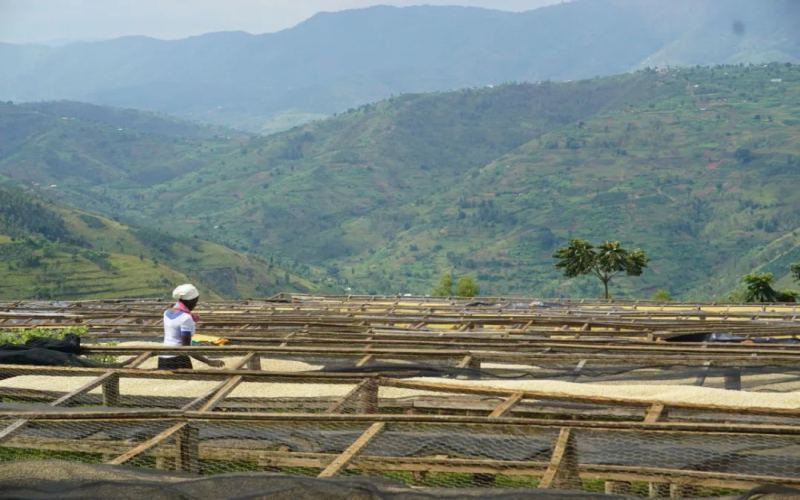
Ethiopian Heirloom and Yirgacheffe: Variety Traceability, Origin Terroir, and Front Street Coffee's Washed Bean Brewing Guide
Yirgacheffe, as one of Ethiopia's most representative specialty coffee regions, has always been a core topic of interest for coffee enthusiasts regarding its varietal classification, terroir conditions, and processing methods. This article begins with the varieties of Front Street Ethiopian Yirgacheffe, analyzing the naming origins and cupping performance of Heirloom native species, outlining the altitude and climate characteristics of the small town of Yirgacheffe, reviewing the historical context of the region's separation from Sidamo, and explaining how the introduction of washed processing technology in 1972 shaped its signature flavors of fresh citrus and white florals. At the end, hand-brewing suggestions for Front Street washed Yirgacheffe everyday beans are provided, including dripper, water temperature, coffee dose, coffee-to-water ratio, grind size, and pulse pouring times, for beginners to refer to and practice. [more…]
Ethiopian Yirgacheffe Coffee Bean Brand Recommendations: Origin Flavors, Taste Characteristics, and an Introduction to Santavini Red Cherry Washed
Yirgacheffe is one of the most iconic specialty coffee regions in Ethiopia, known for its bright acidity, floral aromas, and citrus notes. This article will start from the regional background of Yirgacheffe, its cooperative system, altitude, and processing methods, to sort out the reasons behind its delicate flavor formation, and introduce the origin information and flavor characteristics of Front Street Coffee's Ethiopian Santaverney Processing Station Red Cherry Washed Specialty Coffee, helping coffee enthusiasts gain a more comprehensive understanding of this classic region. [more…]
Flavor Differences Between Ethiopian Geisha and Panamanian Geisha: Same Name, Different Variety—Why the Huge Gap in Price and Taste
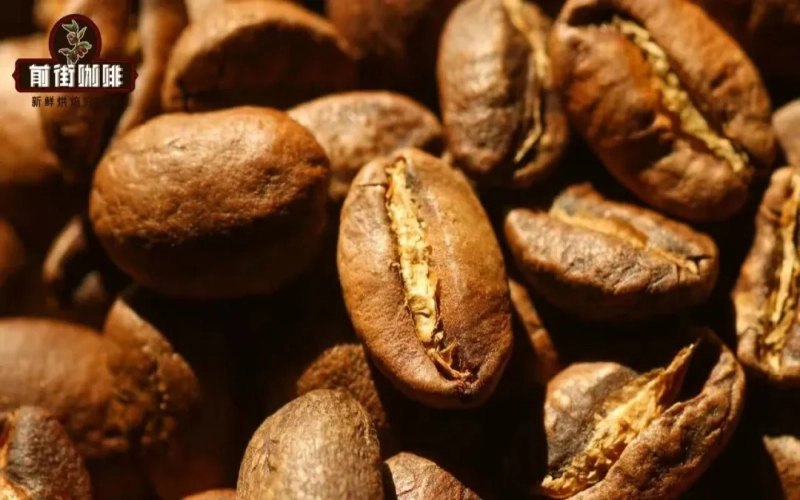
Geisha coffee varies significantly in flavor and price depending on its origin and processing method. Among them, Ethiopian Geisha and Panamanian Geisha often spark lively discussion among coffee enthusiasts due to their stark differences in price and taste. Although the two share the name "Geisha," they are actually entirely different varieties. Panamanian Geisha originated from the Geisha forest in Ethiopia, was discovered by Hacienda La Esmeralda, and won the 2004 BOP competition, known for its white floral notes, citrus fruit character, and green tea-like quality, with the designation T2722; Ethiopian Geisha, on the other hand, tends to have a rich, juicy mouthfeel and is genetically more distantly related to Panamanian Geisha, making it something of a distant relative. This article will outline the origins and flavor differences of the two, and recommend several high-value Geisha beans from Front Street Coffee for comparative tasting. [more…]

Yirgacheffe Gotiti | Does Yirgacheffe refer to a coffee variety? Recommended high-quality, delicious, and affordable single-origin Ethiopian coffee beans perfect for pour-over and cold brew
Believe it or not, many coffee newbies have heard of Yirgacheffe coffee~ Nowadays, many coffee shops offer 1-2 types of Yirgacheffe coffee beans for making single-origin coffee. Yirgacheffe coffee origin: Yirgacheffe is actually a small town in Ethiopia, and as long as it is grown and produced in this town, [more…]
An Overview of Ethiopian Coffee Regions: Washed and Natural Processing and Grading Systems in Yirgacheffe and Sidama
Ethiopia, as the birthplace of coffee, has become a major producer of Arabica coffee in Africa thanks to its exceptional natural conditions and long-standing cultivation traditions. This article systematically outlines Ethiopia's coffee-growing regions, cultivation models, the two processing methods of washed and natural, and the multi-tiered quality control and grading system from origin to export. It also highlights Front Street Coffee's ongoing focus on and recommendation of classic regions such as Yirgacheffe and Sidamo, helping coffee enthusiasts gain a deeper understanding of the unique charm of Ethiopian coffee and the logic behind its quality assurance. [more…]

Choosing Beans for Cold Brew by Origin: Why Are Ethiopian Floral and Fruity Notes the Star of Cold Brew?
When it comes to choosing beans for cold brew, the question of origin is almost impossible to avoid. Coffee beans from different origins carry their own distinctive flavor genes, and the low-temperature, slow-extraction nature of cold brew happens to amplify the floral and fruity notes of certain origins to just the right degree. Ethiopian coffee beans have long been highly favored in the world of cold brew, and behind this lies the orig [more…]
Exploring Ethiopian Yirgacheffe: Cultivation Traditions, Processing Methods, and Analysis of Its Citrus and Floral Flavors
Yirgacheffe is one of Ethiopia's most renowned specialty coffee origins. Its name comes from the local town and it has now become an iconic symbol of African specialty coffee. With high altitude and a mild climate, over a thousand years of cultivation history and processing traditions have produced unique washed Arabica beans, known for lemon, floral notes, honey sweetness, and citrusy acidity. This article will guide you through a comprehensive understanding of the charm of Yirgacheffe coffee from the perspectives of its origin background, cultivation patterns, and flavor characteristics, and share Front Street Coffee's recommendations and key tasting points. [more…]